You don't need to have it figured out before you walk in.
Therapy can be a place where you don't have to perform wellness, have the right words, or know what you need. You can just show up.

Therapy can be a place where you don't have to perform wellness, have the right words, or know what you need. You can just show up.
A relationship that keeps going the same way. Anxiety that runs your day. A loss that won't settle. Or something harder to pin down: a flatness, a restlessness, a quiet feeling of being disconnected from yourself.
You might notice contradictions. Part of you feels confident, another part doesn't buy it. You tell people you're fine, but your chest is tight. You push people away and want them closer at the same time.
These aren't signs of brokenness. They're usually pointing at something. You don't need a name for it before you come in.
I work without a fixed structure. I pay attention to what you say and how you say it, and I'm curious about the things that are harder to say. I won't push you into territory you're not ready for. But if I notice something in the room, I'm not going to pretend it isn't there.
People change in different ways. Sometimes it comes from understanding something about yourself that you couldn't see before. Sometimes it comes from having a different experience: discovering, in the room, that you can feel something you've been avoiding and survive it. That your defences don't have to grip so tight. Those two things tend to feed each other.
I think there's often a part of people that already knows what it needs, and a part that's afraid of it. A lot of what happens in therapy happens in that tension. I try to stay open to both sides without rushing toward a resolution.
Not much happens without it. I try to be someone who won't be thrown by what you bring and who has no agenda about where you should end up. Someone who can sit with you in the hard parts without rushing to make them better.
I'm not here to teach you what to think or do. I'm here to help you get closer to what you actually want, and to what's been in the way. We figure that out together.
Anxiety that kept you alert. Numbness that got you through something. A harsh inner voice trying to keep you in line. These started as protection. The work isn't about me making sense of them for you. It's about you becoming familiar with them, so they don't have to run things from the background.
Pain that gets avoided doesn't go anywhere. It stays and influences things. When difficult feelings are finally allowed rather than fought, they tend to move through on their own. That can't be forced, and it doesn't happen on a schedule.
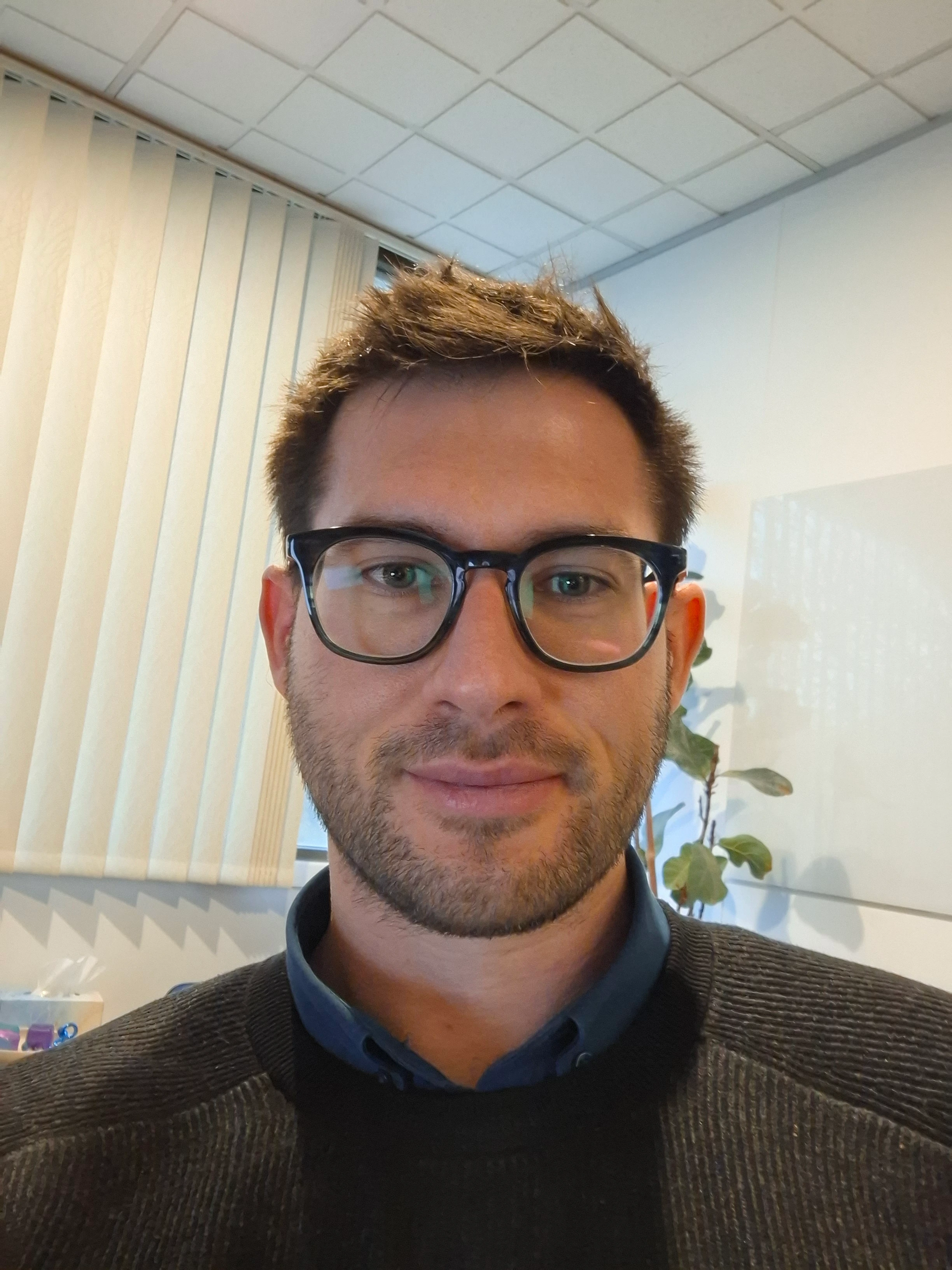
I'm a clinical psychologist in Deakin, Canberra. My thinking draws on psychodynamic and relational ideas. In practice, that means I'm interested in how your past shows up in your present. Not to dwell on history for its own sake, but because what you're carrying from back then is usually affecting things now.
I don't follow one framework religiously. I've learned from a few different traditions, but when I'm in the room I try to let go of theory and actually see the person in front of me. Everyone is different. I'd rather see you clearly than fit you into a model.
Some people want support and someone to talk to who won't judge them. Some want to go deeper, even when that's uncomfortable. I can work either way, and most people move between the two over time.
Sessions are $260. With a Mental Health Treatment Plan from your GP, you can claim a Medicare rebate of $145.25 per session, up to 10 per calendar year.
Eating Disorder Treatment and Management Plans allow up to 40 rebated sessions per year.
Lantern Psychology Centre
Unit 5, 10 Thesiger Court
Deakin, ACT 2600
I get why someone would want that. We're often told our emotional responses are wrong somehow, or too much, or not enough. Wanting to feel whole makes sense.
But if I "fixed" you, that would mean something was broken, and I don't think that's what's going on. What I see more often is that people have learned to reject their own feelings. Sometimes a parent couldn't handle emotion. Sometimes the culture around you told you to push through it.
Think about hunger. If you tried to override it or pretend it wasn't there, you'd miss what it was telling you. Emotions work in a similar way. I can't fix you. But I can sit with you while you work out what yours have been trying to say.
Most people feel this way at some point. There's a voice that says "other people have real problems." I think that voice comes from a culture that tells us to take up less space with our pain.
If therapy were only for people in the worst possible situation, it would be available to almost nobody. And acknowledging that you're struggling doesn't take anything from anyone else. We adapt to our environment. Something that looks small from the outside can be sitting heavy on you, and that matters.
Complex doesn't mean impossible. It might take longer. The path won't be straight. But you don't have to untangle everything before you start. You just start, and we work with what shows up.
Everyone runs into pain. Strong feelings in hard situations are normal. We're also good at distancing ourselves from that pain, which works until it doesn't.
Being willing to look at yourself honestly takes a kind of nerve that doesn't get enough credit. That doesn't sound like weakness to me.
Depends on you. Some people come for a few sessions around something specific. Others stay longer because they find the ongoing space useful. The frequency matters too: too close together and there's no time to sit with things, too far apart and you lose the thread. We'll figure it out as we go.
Worth saying that therapy can feel worse before it feels better, especially when you're going near things you've been avoiding. That discomfort can actually mean something is happening.
But if it just feels stuck, I want to hear that. It's useful to talk about openly. And if this isn't the right fit, that's fine. Different people need different things, and sometimes it takes a couple of tries to find the right match.
Yes. Three exceptions: if you consent to sharing information (like a letter to your GP), if I believe someone is at risk of harm, or if records are subpoenaed in legal proceedings. Outside of those, what you say stays between us.
I welcome clients of all backgrounds, identities, and relationship structures, including LGBTQIA+ individuals, polyamorous and non-monogamous relationships, the kink community, sex workers, and people of all cultural, religious, and political backgrounds. All of who you are is welcome here.
You don't have to know whether this is the right fit before you start. Sometimes you only find out by trying.
Book a Session